Post From News
Share this post!


As Dr. Manuel Pastor, Director of the Equity Research Institute at USC, reminded us in his fireside chat, disasters don’t create inequity — they crystallize it. Extreme heat, flooding, and displacement are reshaping the communities least equipped to absorb the shock, often those long sidelined by disinvestment. Building real resilience means more than emergency response. It takes coordinated investment across community development, health, philanthropy, and government — and, in Pastor’s words, the kind of solidarity that “bridges across differences” with community leaders setting the direction.
That’s what our virtual summit brought to life: local and national leaders charting what it looks like when capital follows community leadership, technical expertise meets ground-truth wisdom, and the people closest to the crisis are the ones shaping the response.
The Climate Crisis as a Bridge to Belonging — A Two-Pager Resource

Click here to download the two-pager
This two-pager captures insights from BHPN’s Summit on building resilient communities in the face of climate-driven disasters. It examines how community-driven leadership and multisector partnership can move us from fragmented response to coordinated, lasting resilience.
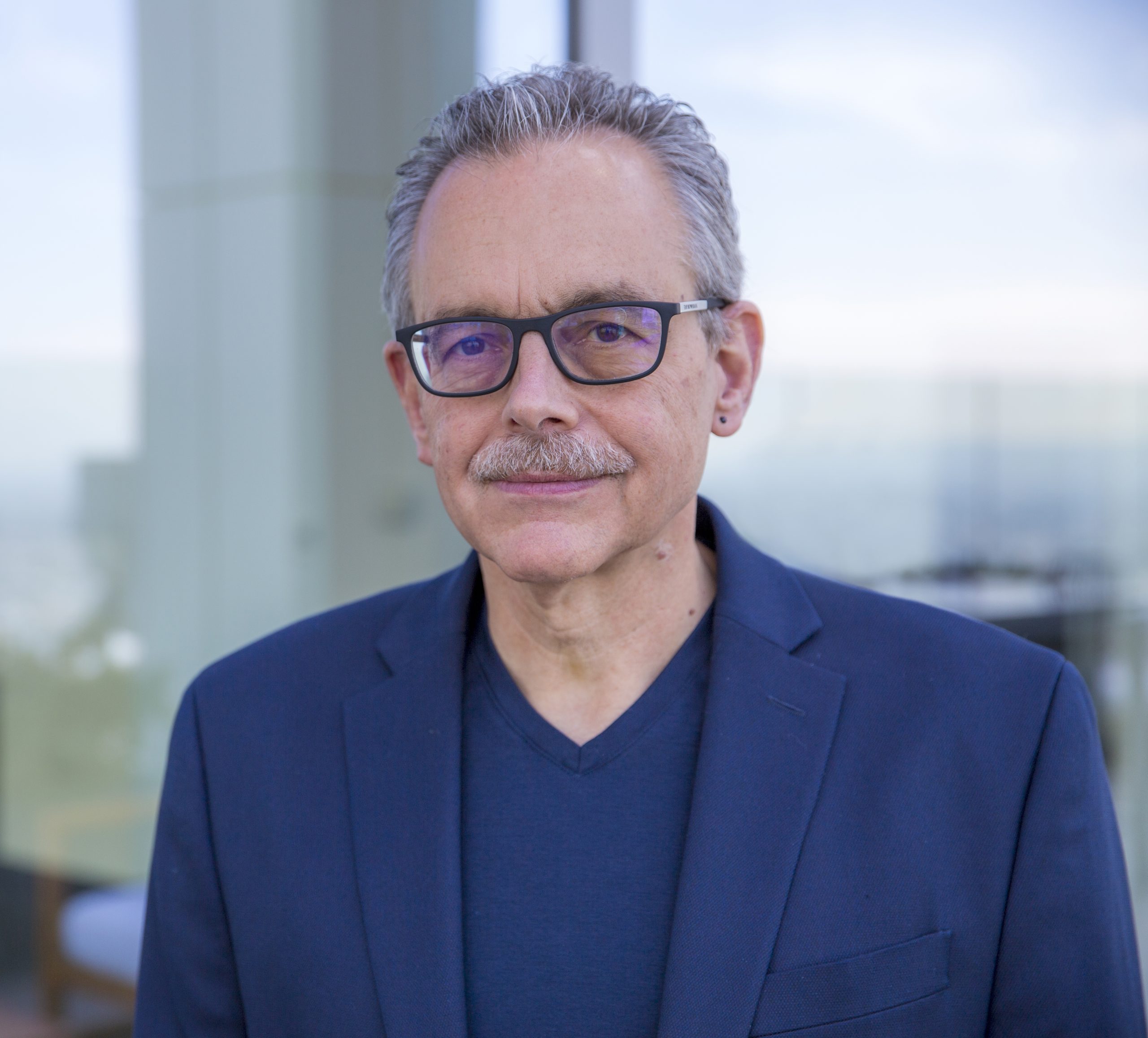
A leading voice on climate change and equitable solutions, Dr. Manuel Pastor challenged leaders to move beyond their silos and forge the community-led partnerships required for effective change.
This moderated panel featured community leaders and practitioners highlighting tangible examples of multi-sector work, showcasing what each sector is already doing individually to address natural disasters and climate change, focusing on initiatives that specifically address equity and support community-led strategies.

Funders shared their organizations’ role in addressing climate-driven disasters, detailing their investment strategies for building community resilience, and outlining their perspective on future funding needs for a multi-sector approach.